Responding to challenges in the healthcare system in Armenia
Fifty-one years ago, in 1974, the first Armenian Medical World Congress (AMWC) was held in Beirut, Lebanon. That gathering marked a milestone, uniting Armenian healthcare professionals from across the globe. Out of that success, the Armenian Medical International Committee (AMIC) was formally established in 1990 as a non-political, non-profit umbrella organization to connect Armenian medical associations worldwide, promote scientific exchange, and strengthen healthcare in Armenia and across the diaspora.
Since then, AMIC has organized 14 congresses in cities across the world—from Venice, Montreal, and Lyon to Buenos Aires, Los Angeles, and New York—bringing together generations of Armenian doctors, dentists, researchers, and public health experts. The congresses remain an important platform for dialogue, education, and innovation, and for reinforcing the bond between diaspora professionals and the homeland.
This July, nearly 600 participants gathered in Madrid, Spain, for AMWC-2025, held at the historic Complutense University of Madrid's Medical Faculty. The theme, "Medicine in motion: Turning scientific insights into action," underscored the urgency of applying research and professional expertise to real-world challenges, particularly those faced by Armenia today.
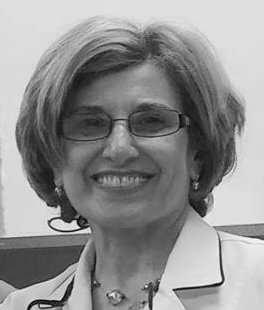
Canada was represented by three physicians. Dr. Krikor Balabanian (Montréal) presented the projects of the Armenian Medical Association of Quebec (AMAQ). Dr. Cyril Tahtadjian (Mississauga) outlined the initiatives of the Armenian Canadian Medical Association of Ontario (ACMAO). And Dr. Ani Hasserjian (Toronto), also representing ACMAO, delivered a presentation titled “Responding to challenges in the healthcare system in Armenia."
Dear Colleagues,
I am honoured and privileged to address this distinguished group of healthcare professionals on behalf of the Armenian Canadian Medical Association of Ontario (ACMAO).
I extend my gratitude and congratulations to the Armenian Medical International Committee (AMIC) and to the Organizing Committee, led by Dr. Lilian Grigorian, for continuing the mission of AMWC. Fifty-one years after the first Congress in Beirut, Lebanon, you have brought us together once again—this time in Madrid—for the 14th AMWC.
For 37 years, ACMAO's work has focused on providing medical and dental assistance to Armenia and Artsakh. Between September 1998 and September 2023, under the leadership of the NGO Hand in Hand, ACMAO played a significant role in establishing four dental clinics, a women's health clinic, and two mobile dental clinics in Artsakh. Following the genocidal ethnic cleansing by Azerbaijan, the forcibly displaced people of Artsakh now reside in Armenia, where they continue to need our humanitarian support—financial assistance, moral encouragement, medical aid, protection, and prayers. This displacement is not only a political and humanitarian crisis; it is also a serious public health challenge.
Armenia's medical system, though resource-limited, has shown resilience in the past. Today, however, it is under immense strain, with overburdened infrastructure, a lack of access to specialized care, a growing mental health crisis, public health concerns, and burnout among healthcare professionals. To respond effectively and to revive diaspora assistance, we need a multi-tiered strategy that combines short-term emergency relief with sustained long-term reforms. This requires the active involvement of the government, local communities, NGOs, international partners, diaspora organizations, and medical associations such as ours. We must continue to work hand in hand, extending support to all those who are struggling in dire situations.
One of the most urgent priorities is strengthening access to primary and emergency care. Clinics and hospitals must be stabilized, particularly in regional provinces, and new centres created to serve rural populations. Mobile health units can provide much-needed services in villages, as exemplified by the mobile dental clinic that will be inaugurated next week in Syunik with the participation of AMIC and the Armenian International Dental Association (AIDA). Expanding the training of family doctors to serve underserved communities, providing essential equipment and medicines to rural areas, and establishing regional emergency clinics are all crucial steps.
Equally important is building healthcare workforce capacity. Doctors and providers must be supported to prevent burnout, with incentives such as housing and services to encourage young professionals to work in rural areas. They also need access to psychological support and counselling, as well as continuing education opportunities. Diaspora exchange programs and expanded training in telemedicine can further strengthen the healthcare workforce and build resilience across the system.
Mental health must also be prioritized. Many people continue to suffer from trauma, PTSD, displacement, uncertainty, loss, and anxiety. Addressing these challenges requires retraining psychiatrists, psychotherapists, and social workers, while promoting mental health awareness in schools and clinics. Community-based trauma groups can offer support, while public education campaigns are essential to reduce stigma and promote acceptance.
Another pressing area is ensuring access to essential medications and chronic care. Displaced people and those living with chronic illnesses must not be left without treatment. Free or subsidized medicines for those in need, a national health registry for displaced persons, and reliable access to basic chronic care medicines in village pharmacies are necessary measures.
Finally, diaspora and international support remain indispensable. Although donor fatigue is a reality in many Armenian communities, the Armenian government and Ministry of Health must work hand in hand with diaspora organizations to maximize impact. This includes encouraging diaspora medical missions, ensuring fair treatment of donated medical aid at customs, and creating sister-hospital partnerships that build enduring collaboration between Armenia and the diaspora.
While manpower and resources within diaspora medical associations are limited, united and effective measures can help us achieve these goals. By working together—turning scientific insights into action—we can support our brothers and sisters in Armenia and help build a stronger healthcare infrastructure for the future. ֎
This piece was published in Torontohye's Sept. 2025 (#217) issue.